
Neighbors Helping Neighbors since 1984.
Who are we?
The Irving Park Community Food Pantry provides food and community resources to our neighbors on Chicago’s Northwest Side.
Our goal is to provide caring, consistent service through an equitable distribution of Pantry resources to all clients.
On a weekly basis, our volunteer-run organization serves clients experiencing food insecurity, focusing on our neighbors in the 60641 and 60618 zip codes, by providing a three- to five-day supply of food from all food groups.
Location & Hours
4256 N. Ridgeway Avenue Chicago, IL 60618
Irving Park Community Food Pantry is located within the Emanuel United Methodist Church at 4256 N. Ridgeway Avenue, Chicago, IL.
Hours of Operation:
Wednesdays 9:00am - 12:00pm
Second Tuesday of every month 6:00pm - 7:00pm
If you live within our priority service area (60618 or 60641 zip codes), please come in during operating hours! We will register you as a client for monthly food allotments based on your family size and you will be eligible for our supplemental programs, including pet food, toiletries and seasonal extras. If you live outside of our priority service area, we can provide you with some food and direct you to a food pantry that will be more convenient to where you live.
2026 DATES FOR TUESDAY EVENING (6:00pm to 7:00 pm) DISTRIBUTIONS:
January 13, 2026 February 10, 2026 March 10, 2026 April 14, 2026 May 12, 2026 June 9, 2026 July 14, 2026 August 11, 2026 Sept. 8, 2026 Oct. 13, 2026 Nov. 10, 2026 Dec. 8, 2026
2026 HOLIDAY CLOSURES
The Pantry will be closed for the Thanksgiving holiday on November 25th, and on December 23rd and 30th for the December holidays.
LATEST NEWS & UPDATES
BLOCK CLUB CHICAGO REPORTS ON OUR 4111 N. PULASKI PROJECT
Read what Block Club Chicago has to say about the Pantry’s 4111 N. Pulaski Rd. capital campaign here.
# # # # # # # # # # #
BUILDING OUR FUTURE, FEEDING OUR COMMUNITY
Click here to learn more about the Pantry's capital campaign to build our new future home, allowing increased food distribution and enabling us to help more people in need.
# # # # # # # # # # #
PANTRY COLLECTING WINTER HATS, SCARVES & GLOVES!
The Pantry is collecting new hats, scarves and gloves to provide to our registered clients in the 60641 and 60618 ZIP codes to help keep them, and their families, warmer this winter. The program will run through October (on October 7th, 13th, 14th, 21st, 28th) but we are collecting items now to ensure we have enough on hand for the first week.
You can make a contract-free online donation through our Amazon registry. Local donations can be taken to the Big Helpers store at 4184 N. Elston Ave. from 10 a.m. to 4 p.m. Monday through Friday or to the front porches at 3912 N. Kenneth Ave. or 4242 N. Hamlin Ave. any time.
You also can make a monetary donation so we can purchase the specific items we need, please make a donation at our website, www.irvingparkfoodpantry.org, via PayPal, Venmo, credit cards or Google Pay. You also can mail a check to Irving Park Food Pantry, 4256 N. Ridgeway Ave, Chicago IL 60618 and mark it for “winter wear.”
You can drop off locally purchased hats, scarves, mittens and gloves for men, women and children until Sunday, October 25th. But earlier is better! NOTE: Please limit your donation to ONLY new hats, scarves and gloves. We have no space to offer other items.
If you have a large donation or want to run a drive, please email Lynne at community@irvingparkfoodpantry.org for tips or to arrange delivery.
# # # # # # # # # # #
INSIDE SHELTER AVAILABLE
The Pantry offers indoor shelter to clients while they wait. Chairs are often available but there are not always enough for everyone. We work to ensure waiting times are as short as possible to get everyone on their way home quickly.
# # # # # # # # # # #
BRING YOUR OWN BAGS
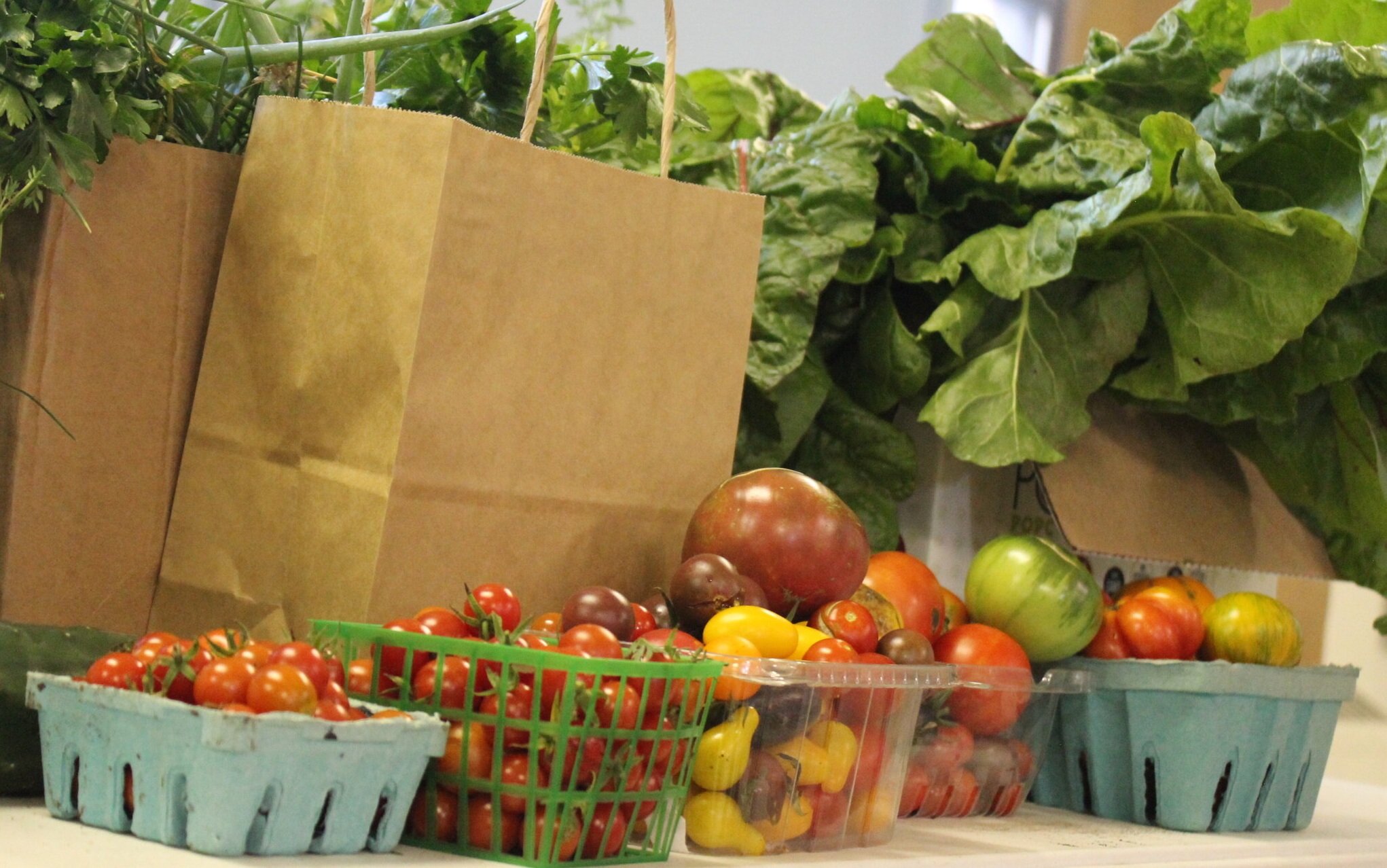
The Pantry no longer offers plastic grocery bags for carrying food home. Clients must bring their own reusable bags. Several reusable bags will be provided during a client’s first visit, but they are encouraged to bring their own to handle all of the food received. Those who don’t bring their reusable bags after their first visit will be offered leftover cardboard boxes to gather their groceries together.


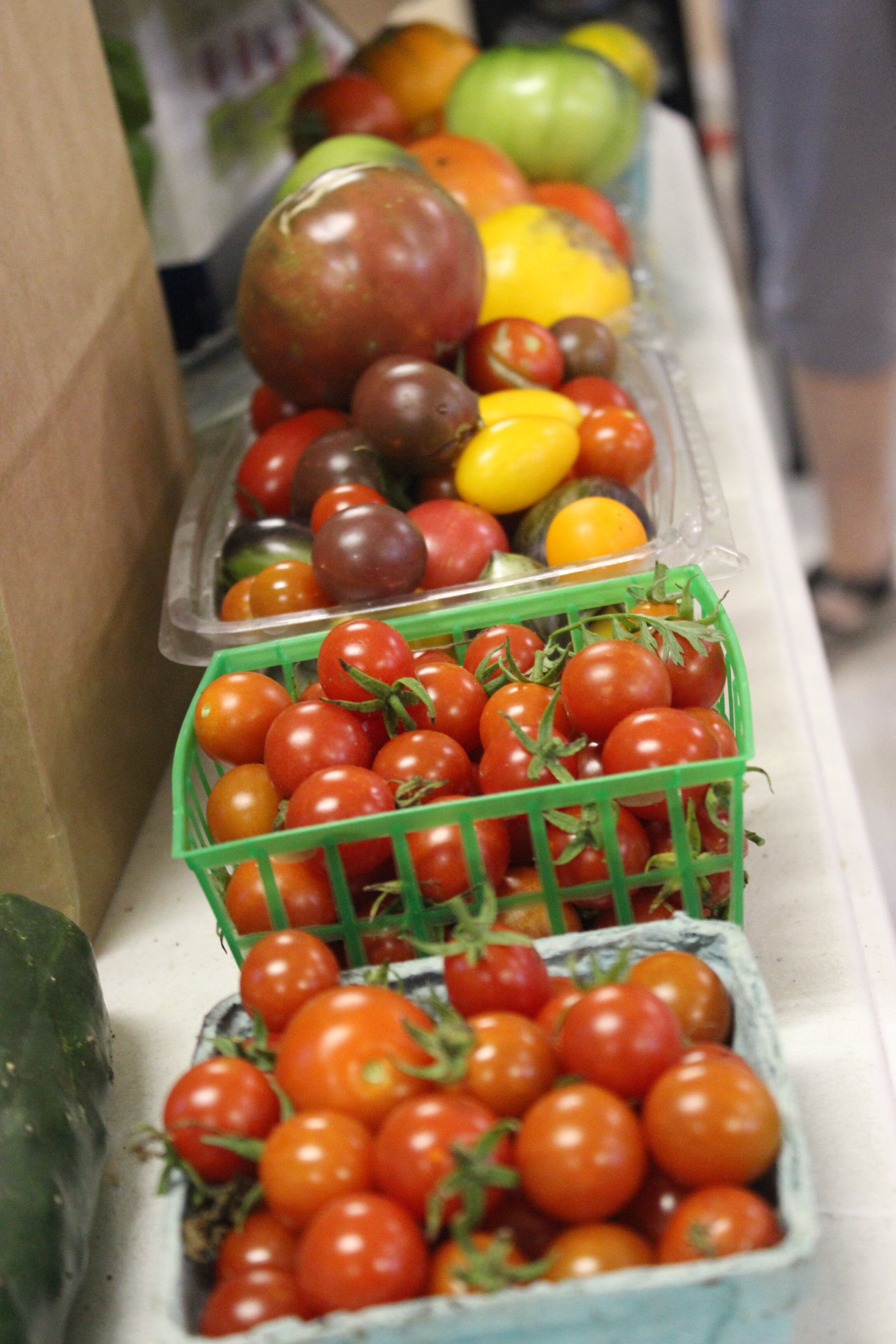

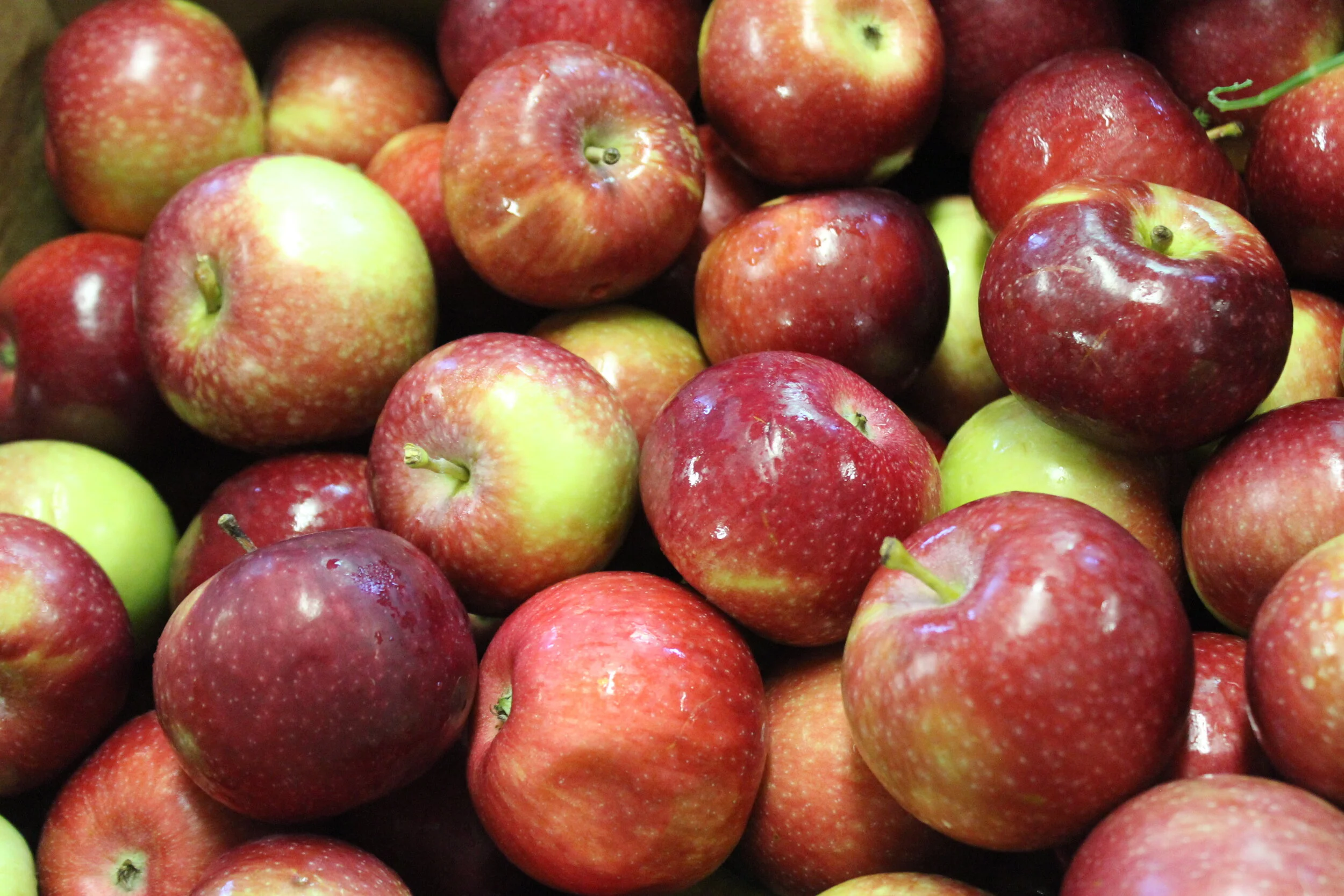
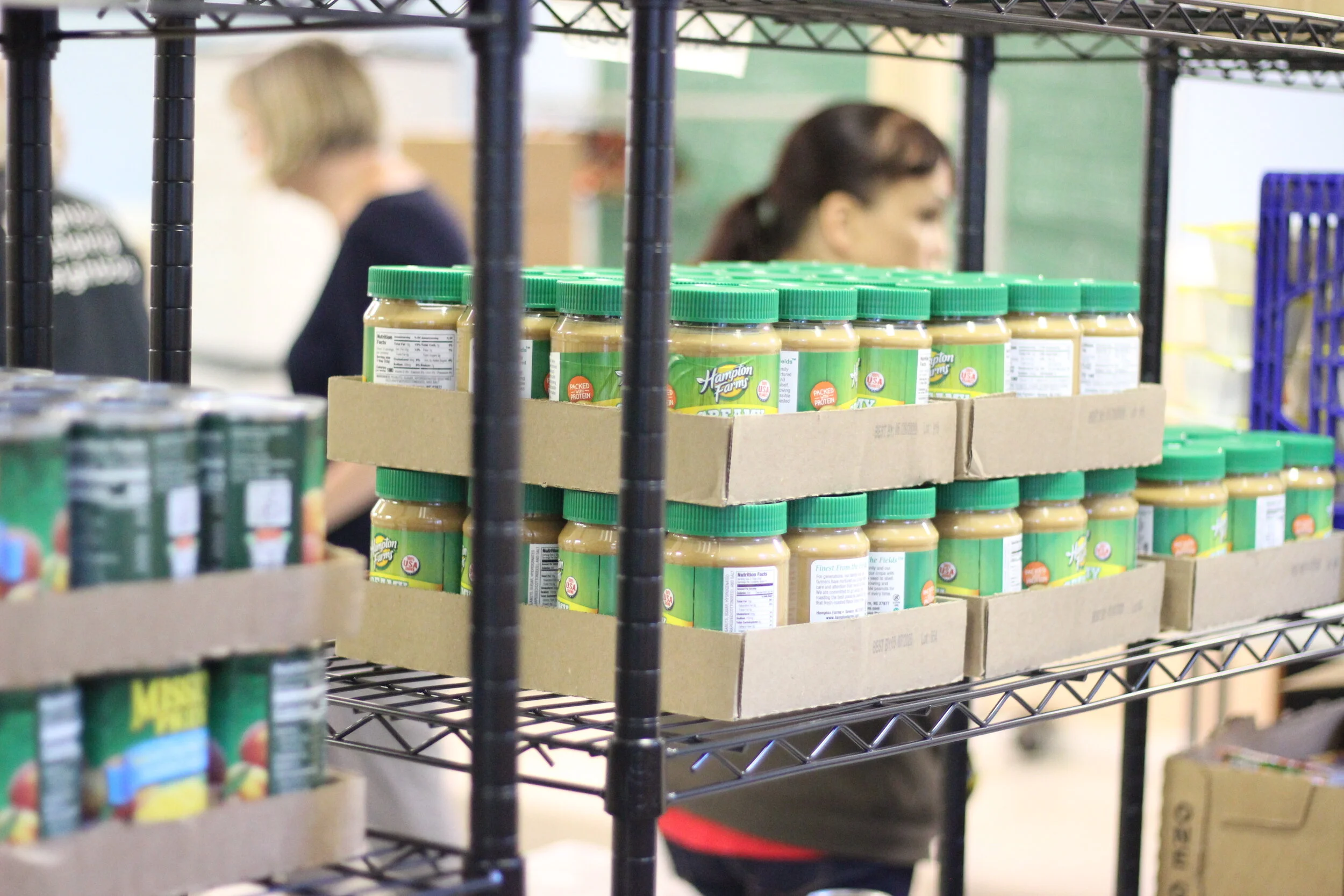
Food insecurity is the state of being without a reliable or sufficient quantity of affordable, nutritious food.
“The COVID19 crisis disproportionately affects low-income families and hourly workers. Many people face health issues, less income or both.”
— Greater Chicago Food Depository
“1 in 7 people in Cook County experience food insecurity .”
— Feeding America
“Households with children are nearly 1.5x more likely to experience food insecurity than households without children .”
— U.S. Department of Agriculture